
Don Huber painted a devastating picture of glyphosate and GM crops at UK Parliament Dr Eva Sirinathsinghji
In less than an hour, Don Huber, professor emeritus at Purdue University and USDA senior scientist (see Box) delivered to the UK Houses of Parliament a damning indictment of glyphosate agriculture as a most serious threat to the environment, livestock, and human health [1].
Don Huber, Emeritus Professor at Purdue University and senior scientist on USDA’s National Plant Disease Recovery System, has been a plant physiologist and pathologist for over 40 years. His academic career began with 8 years as a cereal pathologist at the University of Idaho, and the next 35 years at Purdue University where he specialised in soil-borne disease control, physiology of disease, and microbial ecology. For the past 20 years, he has conducted extensive research into the effects of glyphosate on crops, in response to the increase in crop diseases on glyphosate-applied fields.
Since his letter to the US Secretary of State Tom Vilsak was leaked in February 2011, there has been a great deal of controversy over what Huber described as a pathogen “new to science” and abundant in glyphosate-tolerant GM crops (see [2] Emergency! Pathogen New to Science Found in Roundup Ready GM Crops?, SiS 50). As he concluded in the letter: “We are now seeing an unprecedented trend of increasing plant and animal diseases and disorders. This pathogen may be instrumental to understanding and solving this problem”.
His talk linked glyphosate to reduced nutrient availability in plants, increasing plant diseases, the emergence of a new pathogen, animal illness and possible effects on human health (see [3, 4] Glyphosate Tolerant Crops Bring Death and Disease, Scientists Reveal Glyphosate Poisons Crops and Soil, SiS 47).
The conversion of US agriculture to monochemical herbicide practice has resulted in the extensive use of glyphosate herbicides. Coincidentally, farmers have been witnessing deterioration in the health of corn, soybean, wheat and other crops, and epidemics of diseases in small grain crops. All are associated with the extensive use of glyphosate, which has increased further since the introduction of glyphosate-tolerant, Roundup Ready (RR) crops.
Glyphosate immobilises nutrients required to maintain plant health and resistance to disease. This weakening of the plants defence could explain the infestation of GM crops with the new pathogen, which has now been observed in horse, sheep, pigs, cows, chicken, multiple animal tissues including reproductive parts (semen, amniotic fluid), manure, soil, eggs, milk, as well as the common fungal pathogen that is currently infesting RR crops, Fusarium solani fsp glycines mycelium. All are coming into contact with glyphosate either through direct exposure or consumption through animal feed. It is also highly abundant in crops suffering from plant Goss’ wilt and sudden death syndrome.
The pathogen can be cultured in the lab, and has been isolated from livestock foetal tissue, replicated in the lab and re-introduced back into the animals. It appears to be very common and may well be interacting with the effects of glyphosate on both plants and animals, exacerbating disease and causing reproductive failure in livestock (see below). Although great expectations have been placed on Huber to publish his findings, he insists that before this can be done, further resources are necessary to be able to characterise the ‘entity’ and identify what type of species it is, including sequencing of its genome. This is a slow process and once complete, it is his intention to publish the work in a peer-reviewed journal.
Recognising glyphosate’s mechanism of action is the key to understanding how it may exert detrimental effects on the health of crops, animals, and the environment alike. Glyphosate is a broad-spectrum herbicide that interacts with a range of physiological processes in the plant and its environment. Although it is most commonly recognised to work through inhibition of the plant enzyme 5-enolpyruvylshikimate-3-phosphate synthase (EPSPS) involved in the production of aromatic amino acids in the shikimate pathway, it was actually first patented as a strong metal-chelator that binds to metals including manganese, magnesium, iron, nickel, zinc and calcium, many of which are important micronutrients acting as co-factors for plant enzymes in different physiological processes including the plants’ defence system. Indeed, it is actually through chelation of manganese that the EPSPS enzyme is inhibited.
Rendering plants more susceptible to disease through glyphosate’s pathogenic activity is actually the way it exerts its herbicidal activity. This is done not just through immobilising nutrients in the plant but also impacting the agricultural system as a whole. Consistently, if glyphosate does not reach the root of a plant or the plant is grown in a sterile soil, the plant is not killed.
Once in the soil, glyphosate is later immobilised through the chelation of cations, and is therefore very stable and not easily degraded. However, phosphorus (including phosphorus fertilisers) can desorb the herbicide, making it active once again in the soil.
Huber stressed that agriculture is an integrated system of many interacting components, which together determine crop health and therefore yield. This concept is undervalued, and the sooner this is recognised, the sooner we will be able to reap the full genetic potential of our crops.
The three main components of an agricultural system are 1) the biotic environment including beneficial organisms for example, nitrogen-fixing microbes and mineralizers; 2) the abiotic environment including nutrients, moisture, pH; and 3), defence against pathogens that damage crops. The genetic potential of a plant can be achieved by minimising the stress placed on these components through improving plant nutrition and physiology and prevention of diseases and pests.
We have been repeatedly told that to meet the world’s needs for food production we must resort to GM crops and chemical agriculture. However, glyphosate detrimentally interacts with all the agricultural components, so much so that an estimated 50 percent of the potential crop yields are currently being lost (see Figure 1).
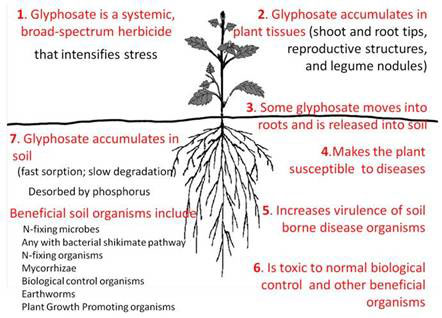
Figure 1 Interactions of glyphosate with plant and soil biology; adapted from Huber’s presentation
As shown in figure 1, glyphosate interacts with a wide range of health determinants, which intensifies stress and reduces crop yields. Not only does it accumulate in the plant tissues (shoot and root tips, reproductive structures and legume nodules), it accumulates in the roots where it then leaks into the soil and harms beneficial microorganisms in the soil including those that act as biological controls of pathogens. The obvious consequence is the increased virulence of soil-borne pathogens that lead to disease.
One of Huber’s important discoveries was the close correlation of all the known conditions affecting the disease ‘take-all’ with the availability of manganese to the plant and its physiological effect on resistance to this pathogen.
Micronutrients are the activators or inhibitors of many critical physiological functions. Thus, a deficiency or change in availability of these regulatory elements can greatly affect plant growth and resistance to diseases and pests. Those metabolic pathways producing secondary anti-microbial compounds, pathogen-inhibiting amino acids and peptides, hormones involved in cicatrisation (walling off pathogens), callusing, and disease escape mechanisms can all be compromised by glyphosate.
Micronutrients are also necessary for other processes in a plant. Manganese for example is not only involved in co-activating the EPSPS enzyme, with up to 25 other enzymes known to be affected by manganese chelation. Such enzymes are necessary for photosynthesis, in assimilating carbon dioxide in the electron transport chain, along with zinc. It also helps in the synthesis of chlorophyll and in nitrate assimilation. Numerous enzymes requiring other mineral co-factors are also affected, among them enzymes of the shikimate pathway, to which EPSPS belongs, are responsible for plant responses to stress and the synthesis of defence molecules against pathogens, such as amino acids, lignins, hormones, phytoalexins, flavenoids and phenols.
Consistent with what is known about the role of micronutrients and glyphosate, the levels of key minerals have been measured in transgenic RR soybeans and found to be lower than those in isogenic non-transgenic varieties. Manganese was reduced by as much as 45 %, while iron was reduced by 49 % [5]. Similar deficiencies in mineral content have been found in non-GM varieties, suggesting that the glyphosate, and not the RR transgene, is responsible for reducing mineral availability [6]. Glyphosate reduces photosynthesis, water uptake, amino acid production as well as lignin, a molecule conferring mechanical strength of the plant and crucial for conducting water through plant stems [7, 8].
As Huber stated, the consequences of these nutrient deficiencies is that “crops don‘t look as good, are not as productive or rigorous, and are slower growing“ (see Figure 2). He noted yield drags of 26 % for RR soybeans. Furthermore, with current concerns for global warming, plants that are up to 50 % less water-efficient, such as RR crops, are counter-productive and can only exacerbate problems.
Huber stressed that there is nothing in the glyphosate tolerant crops that operates on the glyphosate applied to them. Consequently, although they have enough resistance to prevent them from dying (conferred by the EPSPS transgene), their overall physiological function is compromised by glyphosate. It therefore affects GM as well as non-GM crops through residual levels of glyphosate in the ground.
In addition to chelating nutrients in the plants, glyphosate can lower mineral content through damaging beneficial soil organisms, including microbes producing indole-acetic acid (a growth-promoting auxin), earthworms, mycorrhizae associations, phosphorus & zinc uptake, microbes such as Pseudomonads, Bacillus that convert insoluble soil oxides to plant-available forms of manganese and iron, nitrogen-fixing bacteria Bradyrhizobium, Rhizobium, and organisms involved in the biological control of soil-borne diseases that reduce root uptake of nutrients.
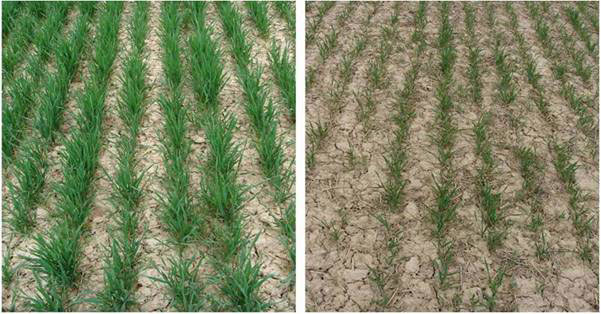
Figure 2 Effects of long-term glyphosate on crop health; adapted from Huber’s presentation
Thirty-four diseases have been reported in the scientific literature to increase in incidence as a result of glyphosate weed-eradication programmes. They affect a wide variety of crops from cereals to bananas, tomatoes, soybean, cotton, canola, melon and grapes [9]. Some of these diseases are considered ‘emerging’ or ‘re-emerging’ as they had not caused serious economic losses in the past. This has worrying implications for the agricultural sector with the US now in its fourth year of epidemics of Goss’ wilt and sudden death syndrome and eighteenth year of epidemic of Fusarium fungal colonisation resulting in root rot and Fusarium wilt. Not only does glyphosate affect disease susceptibility, there is also evidence of increased disease severity. Examples include ‘take-all’; Corynespora root rot in soybean; Fusarium spp diseases, including those caused by Fusarium species that are ordinarily non-pathogenic. Head-scab caused by Fusarium spp of cereals increases following glyphosate application, which is also now prevalent in cooler climates when previously it was limited to warmer climates.
Nutrient-deficient, transgenic plants suffering from disease that also harbour herbicide residues, presents an array of possible safety hazards to animals and humans. According to Huber, possible harm include direct toxicity of glyphosate itself, which has been shown to cause endocrine disruption, DNA damage, reproductive and developmental toxicities, neurotoxicity, cancer, and birth defects (see [10]Glyphosate Toxic and Roundup Worse,SiS26; [11]Death by Multiple Poisoning, Glyphosate and Roundup,SiS42; [12]Ban Glyphosate HerbicideNow.SiS43; [13]Lab Study Establishes Glyphosate Link to Birth Defects,SiS48). Furthermore, allergies are on the rise, and animals are showing allergy responses, including inflamed irritated stomachs (Figure 3), discoloration of stomach lining, leakage of intestines as well as behavioural symptoms of irritability and anti-social behaviour in cows (abnormal for herd animals). Inflammatory bowel disease in humans has risen 40 percent since 1992, which may be related to consumption of GM foods, although this has not yet been proven.
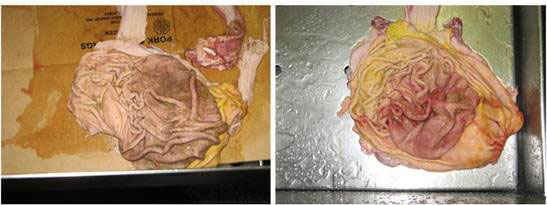
Figure 3 Stomach shows allergic response of discolouration and inflammation in GMO fed pig (right) compared with control (left)
The increase in infestation of crops with fungal pathogens that produce toxins is an added concern. Mycotoxins, including fusarium toxins as well as aflatoxins released by Aspergillus fungi are carcinogenic and have forced imports of wheat into the US due to unsafe levels found in domestic harvests.
In 2002, the Cattlemen’s Association gave a statement to US Congress on the serious and puzzling rises in reproductive problems. It said: “high numbers of foetuses are aborting for no apparent reason. Other farmers successfully raise what look to be normal young cattle, only to learn when the animals are butchered that their carcasses appear old and, therefore, less valuable...The sporadic problem is so bad both in the United States and abroad that in some herds around 40-50 percent of pregnancies are being lost.. [and] the viability of this important industry is threatened.”
Glyphosate appears to be able to induce reproductive failures through three separate mechanisms. The first, mentioned above is the endocrine dysfunction caused by direct toxicity of glyphosate.
The second is the reduced nutrient content having consequential effects on the nutritional status of animals. Manganese in animals, as in plants, is an essential nutrient, and deficiencies have been associated with a variety of diseases as well as reproductive failures, which are becoming increasingly common in livestock. One study performed in Australia following two seasons of high levels of stillbirths in cattle found that all dead calves were manganese deficient [14]. Furthermore, 63 percent of babies with birth defects were also deficient. Manganese is known to be important for mobilising calcium into bones, correlating with abnormal bone formation in these calves.
Third, the unknown pathogenic ‘entity’ may be associated with inducing pseudo-pregnancies. As far back as 1998, a suspect agent was found in reproductive tissue of livestock. It has now been isolated in high concentrations from semen, amniotic fluid as well as placental tissue. It has also been found in aborted foetal tissue. Some farms are reporting up to 50 percent fewer conceptions in animals due to increased miscarriages and pseudo-pregnancies. Although evidence of the widespread presence of this new pathogen is clear, Don Huber suggested the need for further research to understand not only what kind of pathogen it is, but importantly, the effects it is having on the health of plants as well as animals.
Over 100 peer reviewed papers have been published by Huber and other scientists on the detrimental effects of glyphosate. Glyphosate increases disease in plants (as well as animals), prompting Huber to write to the Secretary of Agriculture. It may be linked to many health problems in animals and humans, which are an added cost to all the failed promises of a new agricultural technology that would feed the world. As Huber concluded, the “public trust has been betrayed.”
Article first published 09/01/12
Comments are now closed for this article
There are 13 comments on this article.
Sue Batstone Comment left 10th January 2012 06:06:57
Please clarify whom Don Huber was addressing. The House of Parliament and the House of Lords both are on recess today, resume sitting tomorrow.
Eva Sirinathsinghji Comment left 10th January 2012 06:06:27
Hi Sue,
The public meeting took place on November 1st 2011, and was organised by the All Party Parliamentary Group on Agroecology, which was chaired by The Countess of Mar. Thanks, Eva
Charlotte Birt Comment left 11th January 2012 05:05:13
Why don't they just stop using this? Does it come from China?
Maggie Zhou, Ph.D. Comment left 10th January 2012 19:07:06
You wrote: "In 2002, the Cattlemen’s Association gave a statement to US Congress on the serious and puzzling rises in reproductive problems......"
I could not easily find on the internet this statement from the Cattlemen's Association. Could you please provide a link so it can be verified?
It also strikes me as odd why Dr. Huber has to wait until he has solved the question of which kind of organism this new entity is, before publishing it, if, as he claims, so much is already known about it, and it's unquestionable that it exists. Given the kind of devastation he says this entity causes, it would only make sense if the scientific community is widely alerted to its presence via formal publication, so others could study it too.
Kev coleman Comment left 11th January 2012 20:08:45
I think he is waiting to get everything sorted out and clarified before publishing so that the naysayers will not be able to pull a flanker and get off the hook. It is essential that glyphosate and Roundup are banned as it is self evident in South American countries just how harmful these chemicals are. Especially in Argentina.
Eva Sirinathsinghji Comment left 12th January 2012 00:12:31
The source of the testimony is as as follows:Testimony of the Ranchers-Cattlemen Action Legal Fund, United Stockgrowers
of America, to the Senate Agriculture Committee July 24, 2002
The minutes of his meeting as well as Prof Huber's presentation can also be found here: http://agroecologygroup.org.uk/index.php/events/previous-meetings/2011-11-01/
He is waiting to confirm and understand fully what the entity is before he publishes it. He is collaborating with scientists to further their research. However, science is a slow process, and I assume he wants to know as much as possible before publishing it to minimise confusion over the issue.
Steve Burleigh Comment left 23rd January 2012 10:10:08
You can imagine how difficult it is for Dr. Huber to get peer reviewed collaboration on his research when Monsanto will use any and all techniques at their disposal (which are considerable) to intimidate, pull funding from research labs, and present conflicting research performed by their own scientists (on their payroll). Is it any wonder that Dr. Huber wants to make sure all the 'i's are dotted, and all the 't's' are crossed before publishing his full research results. He has already been threatened and intimidated to the extent that would cause most of us to crumple like a cheap suit. Give the man a break and do some research yourself. The internet abounds with information that should be more than enough cause for concern without even taking into consideration the details of Dr. Hubers research.
Sheree Rainbolt Kren Comment left 16th February 2012 06:06:30
Thank you very much for this informative and important work, and the article. I am passing it along.
Ann Kneeland Comment left 16th February 2012 19:07:01
Here's a link to an interview with Dr. Huber in which he talks more about glyphosate. Scary stuff.
http://articles.mercola.com/sites/articles/archive/2011/12/10/dr-don-huber-interview-part-1.aspx
Thank god someone is not fearing the evil tactics of Monsanto and is trying to get the truth out. These products are evil. It may not be long before all crops across the globe have been "contaminated" with GM seeds. By design, I am sure.
Douglas Laing Comment left 1st June 2012 15:03:10
Just look at this article on oil palms to understand what bad science can do:
http://www.academicjournals.org/ajar/pdf/pdf%202010/18%20Aug/Wibawa%20et%20al.pdf
Douglas Laing Comment left 15th September 2012 17:05:49
As a 76 yo plant physiologist, I am almost certain that glyphosate is directly involved in the rapidly increasing and widely destructive incidence of a raft so-called new diseases typified by that in natural forest and suburban oaks and in other mainly temperate zone tree and shrub species. As an alarming example, live oaks and tanoaks growing naturally inland of the pacific coast, some as much as 500 years of age, began dying in their thousands in 1995 in California and Oregon. The condition -known widely as Sudden Oak Death- was early and prematurely identified as a classical plant disease. Plant pathologists, mainly since 2002, have ascribed this condition to Phytophthora ramorum as the causal microorganism, but Koch´s Postulates seem not as yet to have been fully satisfied. The third postulate demands that the test plants of the affected species are healthy at the time of the inoculation with the pure culture of the previously isolated causal agent from a diseased plant. In my view, to be susceptible to this so-called new pathogen, trees have to be unhealthy to begin with, and that is most probably why the pathologists have not yet fully satisfied Koch in over 10 years of intense classical plant pathological research at advanced labs, especially in America and Europe. After the Don Huber et al. early work and the warnings began sounding; more recent plant nutrition research by the group originally inspired by the late Horst Marschner, working in Germany and Turkey, has confirmed that extremely low drift level concentrations of glyphosate can directly cause severe alterations in normal higher plant mineral nutrition, especially of Ca and Mn in various test species. Both nutrients are important in building healthy plants that are more apt to resist microorganism invasion of potentially susceptible tissues. The wider international use of glyphosate, including greatly increased usage in no-burn forest weed management, became evident after the introduction of the first GMO field crops by Monsanto in the mid-nineties. Increasing weed resistance to glyphosate almost everywhere in the world has meant an increase and thus abuse in the concentrations being applied. In my opinion, the highly likely association between glyphosate and so-called new diseases such as SOD should be urgently investigated: this time by interdisciplinary teams, including both plant pathologists and physiologists. Interdisciplinary juries are urgently required when peer reviewed papers related to Koch´s Postulates are under consideration.
Robert Halfhill Comment left 4th March 2013 18:06:34
We must educate the consumer as to the dangers of Monsanto's deadly products by providing information to the consumer and the farmer as to consiquences of consuming GMO products.
Rory Milbank Comment left 3rd August 2013 16:04:55
As an ex-farmer and now practicing Ag Consultant, I am starting to see major problems in the vegetable growing industry as a result of Glyphosate contamination of soils by Animal manures.
The increased prevalence of fungal diseases led me to seek the root cause of the problem which showed high concentrations of Glyphosate in both soils and manures.
A stress factor during plant growth such as cold, wet condtions triggers the onset of disease due to the low capacity of the plants own Auto Immune System to function as a result of the Malnutrition induced by Glyphosate within the plant.
It is now a major challenge to deal with these new factors as manures and composts have always played a large role in nutrition of vegetable crops, and can now no longer be used.
Farms producting these crops now have to become insular in an effort to restrict the ingress of Glyphosate contaminated products, even the feed fed to Animals on these farms have to be GM free, including pets.
Spraydrift and runoff water from neighbouring land is of major concern.