
Institute of Science in Society Special Report
Glyphosate has contaminated land, water, air, and our food supply; the maximum permitted levels are set to rise by 100-150 times in the European Union if Monsanto gets its way as damning evidence of serious harm to health & the environment piles up Dr Eva Sirinathsinghji and Dr. Mae-Wan Ho
The use of glyphosate-based herbicides, especially Monsanto’s Roundup formulation, has increased dramatically since the introduction of genetically modified (GM) glyphosate-tolerant crops, resulting in the contamination of our food, environment and water supplies.
Glyphosate-based herbicides are now the most commonly used herbicides in the world. It is still promoted as ‘safe’, despite damning evidence of serious harm to health and the environment.
The serious harm to health and the environment caused by the use of glyphosate herbicides is clear. There is a compelling case for banning or phasing out glyphosate-based herbicides worldwide, in favour of a global transition to non-GM, herbicide-free organic agriculture (see Food Futures Now *Organic *Sustainable *Fossil Fuel Free , I-SIS Report).
A feeding trial lasting two years on rats showed that females exposed to Monsanto’s glyphosate formulation Round-up and/or Roundup-tolerant genetically modified (GM) maize were 2 to 3 times as likely to die as controls and much more likely to develop large mammary tumours. In males, liver congestions and necrosis were 2.5 to 5.5 times as frequent as the controls, while kidney diseases were 1.3-2.3 times controls. Males also presented large kidney or skin tumours four times as often as the controls and up to 600 days earlier. Biochemical data confirmed significant kidney chronic deficiencies for all treatments and both sexes.
The research team, led by Giles-Eric Séralini of Caen University in France, suggested that the results can be explained by “non-linear endocrine-disrupting effects of Roundup” and “the overexpression of the transgene in the GMO and its metabolic consequences.”
The results were dynamite, and the repercussions are still to be played out [2]. Predictably, the pro-GM brigade around the world launched a concerted campaign to discredit the scientists and their findings (see commentary by John Vidal on the Guardian website [3].
But contrary to the impression given in the popular media, this is not an isolated study suddenly to reveal that GM feed and the most widely used herbicide in the world may be toxic. It is the latest in a series of laboratory experiments backed up by experience of farmers and farm workers around the world that have found toxicity both for GM crops and for the herbicide. It is also the most thorough study to be carried out for the longest duration of two years. Currently, European regulators require companies to do feeding trials for only 90 days.
Note that the new study found toxicity not just for Roundup herbicide, but also for the Roundup-tolerant GM maize (NK603) that had not been sprayed with herbicide. In other words, GM maize has toxicity independently of the herbicide. As most Roundup tolerant GM crops have been sprayed and contain substantial amounts of herbicide and herbicide residues, they may also mask the toxicity of the GM crops themselves.
We review existing evidence on the health and environmental impacts of glyphosate herbicides and glyphosate-tolerant GM crops as the maximum permitted levels of the herbicide and herbicide residues in food are set to rise 100-150 times in the European Union if Monsanto’s new proposal is approved [4].
Healthy food and clean water are fundamental needs and basic human rights, but these are being compromised by the ever increasing use of synthetic chemicals in agriculture. Glyphosate-based herbicides, originally developed by Monsanto, are the most widely used in the world and increasing numbers of studies are documenting its link to serious illnesses and environmental damage. Most disturbingly, both Monsanto and the European Commission knew that the chemical could lead to cancer and birth defects prior to its approval for Europe in the 1980s; despite that, glyphosate continues to be touted as a ‘safe’ chemical [5] (see [6] EU Regulators and Monsanto Exposed for Hiding Glyphosate Toxicity, SiS 51).
The first glyphosate-based herbicide, Roundup®, was launched by Monsanto in 1974 and its use has risen sharply since the introduction of glyphosate-tolerant genetically modified (GM) crops in 1996. Following the expiry of the glyphosate patent in the US in 1991 and outside the US in 2000, many commercial formulations are available. Based on US data, GM crops have been directly responsible for a 7 % increase in overall pesticide use from 1996 to 2011 [7] (see [8] Study Confirms GM crops lead to increased Pesticide Use, to appear). This is predicted to increase with the emergence and spread of herbicide-resistant weeds (see section 5.1), and insects resistant to Monsanto’s Bt toxin insecticides, as well as the introduction of GM crops with tolerance to multiple herbicides.
Proponents of industrial chemical agriculture and GM crops argue glyphosate increases crop yields, providing a more efficient, cost-effective and safe method of agriculture necessary to tackle hunger and food insecurity across the world. The US officially recognises glyphosate as a safe chemical with regards to human health [9], currently defined as a Toxicity Class III herbicide (slightly toxic) with no carcinogenic activity. The EU classifies it as an irritant that can also cause severe ocular damage [10].
The accumulation of scientific peer-reviewed publications, clinical observations and witness reports from farmers and residents living in glyphosate-treated areas however, refutes the official line. Over a hundred peer-reviewed publications show detrimental effects, proving to the scientific community what farmers in the global South have known for a long time. Not acknowledging those studies goes against fundamental scientific and medical principles as well as the basic human right to a healthy environment, not least because the evidence challenges the naïve assumption that governments’ primary concern is to protect our health and not the pockets of multinational corporations.
Brief history of Monsanto – chemical company turned biotech giant
This review focuses primarily on the scientific effects of glyphosate, but the context of its production is important when considering Monsanto’s recent move from chemical production to agriculture. Can we really trust a chemical company to produce healthy food?
Founded in 1901 by John Francis Queeny in St Louis, Missouri, Monsanto’s first product was saccharin, an artificial sweetener. By the 1920s, the company was producing basic industrial chemicals, including sulphuric acid. During the 1940s they were involved in uranium research for the Manhattan Project that developed the first nuclear bomb; they continued running a nuclear facility until the 1980s. In addition, they became a large manufacturer of synthetic plastics including polychlorinated biphenols (PCBs) used as a chemical insulator and banned in 1979 in the US due to carcinogenicity. Lawsuits have been filed against Monsanto for contaminating residential areas with PCBs that have left whole towns crippled with cancers and other illnesses. Following the Second World War, Monsanto expanded into large-scale production of chemical pesticides, including DDT and Agent Orange, the latter notoriously used as a defoliant during the Vietnam War. One of the components, dioxin, has now been classified as a probable carcinogen by the US Environmental Protection Agency (EPA). It is estimated that Agent Orange killed hundreds of thousands of Vietnamese civilians and American soldiers. In addition, it caused cancers and other illness in 2 million people, and birth defects affecting hundreds of thousands. Monsanto was later sued and forced to pay out $180 million to sick US war veterans. DDT was also banned in 1972 (although its use was permitted under certain circumstances) mainly due to effects on wildlife, but it was still exported to foreign countries until 1985. It is now classified by the EPA as a ‘probable carcinogen’, and has been associated with diabetes, Parkinson’s disease and endocrine disruption linked to developmental defects. Lasso, another herbicide manufactured by Monsanto was banned in the EU in 2006. Monsanto was recently found guilty of chemical poisoning a French farmer who suffered neurological problems including memory loss, headaches and stammering after inhaling Lasso in 2004 [11].
The commercialisation of Roundup® in 1974 turned Monsanto into the largest pesticide manufacturer in the world. They later turned to biotechnology and the production of GM crops, generating the first GM plant cell in 1982. By 1996, the first GM crop tolerant to glyphosate – Roundup Ready (RR) soybean - was on the market. Today, there are many glyphosate-tolerant crops, including corn, canola, sugar beet, cotton, wheat and alfalfa. Similar varieties made by Bayer CropScience, Pioneer Hi-Bred and Syngenta AG are termed Gly-Tol TM, Optimum ® GAT ® and Agrisure ® GT, respectively. The generation of plants tolerant to glyphosate allows farmers to apply glyphosate while crops are growing, theoretically killing every plant but the crop. The consequence is that crops now contain residual levels, directly exposing consumers and livestock to glyphosate. Not only that, glyphosate tolerant crops accumulate the herbicide and transport it to the roots, excreting it into the root zone (rhizosphere) of the soil, harming the next crop to be planted in the same field (see main text).
Glyphosate or N-(phoshonomethyl) glycine (molecular formula - C3H8NO5P) acts through inhibiting the plant enzyme – EPSPS (enolpyruvylshikimate-3-phosphate synthase) in the shikimate pathway [12] (see [13] Glyphosate Tolerant Crops Bring Diseases and Death, SiS 47). It catalyses the transformation of phosphoenol pyruvate (PEP) to shikimate-3-phosphate, required for making essential aromatic amino acids phenylalanine, tyrosine and tryptophan. Amino acids are essential building blocks for all proteins. This metabolic pathway exists in all plants, fungi, and some bacteria. Animals do not have the shikimate pathway, and depend on getting the essential amino acids from their diet. Inhibition of protein synthesis leads to rapid necrosis (premature cell death) in the plant. As the EPSPS enzyme is present in all plants, glyphosate can effectively kill all plant species. The high solubility of glyphosate formulations allows it to be taken up by the plant where it acts systematically from roots to leaves.
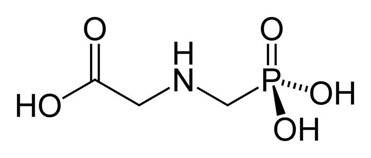
Figure 1 Chemical Structure of Glyphosate
Glyphosate-tolerant crops are either engineered to carry extra copies of the EPSPS gene isolated from the soil bacterium Agrobacterium tumefaciens, or glyphosate intolerant versions of EPSPS. These GM crops are therefore tolerant to the herbicide, but are not engineered to metabolise or get rid of it, resulting in GM crops with the herbicide and its residues throughout the plant destined to become food or animal feed.
In addition to inhibition of EPSPS, glyphosate disrupts many biochemical and physiological functions of plants. Glyphosate was first patented as a general metal chelator and strongly chelates micronutrients such as manganese, which is an important co-factor of the EPSPS enzyme (see [13]). This is suggested to be the mechanism by which glyphosate kills plants. Manganese is a co-factor in over 25 plant enzymes. Other macro and micronutrients are also chelated by glyphosate such as Ca2+, Mg2+, Cu2+, Fe2+, Co2+, Ni2+ and Zn2+. This interference with biochemical pathways goes on to compromise biological functions including the immune system as well as crop productivity (see [14] USDA scientist reveals All, SiS 53).
There is a wealth of evidence on the health hazards of glyphosate. Its approval, along with other hazardous chemicals, relies on systematic flaws in the EU and US regulatory processes, which to this day, do not require evaluation by independent research, and instead rely solely on the industry’s own studies. Approval is therefore often based on data not available to the public or independent research scientists. Nevertheless, raw data have been obtained from the industry through the law courts, which, when re-analysed by independent scientists, also provide evidence of toxicity.
Taken together, glyphosate is implicated in birth and reproductive defects, endocrine disruption, cancers, genotoxicity, neurotoxicity, respiratory problems, nausea, fever, allergies and skin problems.
4.1 Teratogenicity and reproductive effects
Evidence of teratogenicity (birth defects) and reproductive problems stretches back to the 1980s [5]. Observations made by Monsanto were acknowledged by the German government (and its agencies), acting as the “rapporteur” state on risk assessment to the European Commission. The German bodies concluded that high doses (500 mg/kg) led to significant skeletal and/or visceral (internal organ) abnormalities in rats and rabbits including the development of an extra 13th rib, reduced viability, and increased spontaneous abortions. Low doses (20 mg/kg) were later shown to cause dilated hearts. The questionable analysis and interpretation of the data by Germany (including claims that dilated hearts had unknown consequences and sample sizes were too small and lacking dose-dependent results) meant that the findings were not considered relevant to human risk assessment. This argument has been comprehensively rebutted in a report by Open Earth Source (see [6]). Most importantly, the findings have been corroborated subsequently.
Independent studies confirmed birth defects in laboratory animals. Defects in frog development were first observed with lethal doses of Roundup® (10mg/L, roughly equivalent to 0.003% dilution of Roundup®) that were still below agricultural concentrations. Effects were 700 times more pronounced with Roundup® compared to another formulation lacking the surfactant polyoxyethyleneamine (POEA), which is added to maximise glyphosate’s leaf penetration, and is thought to increase glyphosate penetration of animal cells as well [19]. POEA may also have independent toxic properties.
It is important to note that regulatory approval does not require assessment of the risk of commercial formulations, and instead relies on testing glyphosate alone. Sub-lethal doses also led to a 15-20 % increase in gonad size and reduced egg viability in Leopard frogs and catfish respectively [16, 17].
A definitive study conducted by Andrés Carrasco and his colleagues in Argentina found neural and craniofacial defects in frogs exposed to sub-lethal doses (1/5,000 dilutions) of glyphosate and Roundup® [18] (see [19] Lab Study Establishes Glyphosate Link to Birth Defects, SiS 48). These effects correlated with over-active retinoic acid (RA), a well-known regulator of the posterior-anterior axis during development (Figure 2). RA is an oxidised form of vitamin A and women are already advised against taking excess vitamin A during pregnancy. It also regulates the expression of genes essential for the development of the nervous system during embryogenesis (shh, slug, otx2), which were inhibited following glyphosate exposure. Inhibition of RA signalling prevented the teratogenic effects of glyphosate, further confirming its involvement in the observed abnormalities.
The craniofacial defects in frogs are similar to human birth defects linked to retinoic acid signalling such as anencephaly (neural tube defect), microcephaly (small head), facial defects, myelomeningocele (a form of spina bifida), cleft palate, synotia (union or approximation of the ears in front of the neck, often accompanied by the absence or defective development of the lower jaw), polydactily (extra digit), and syndactily (fusion of digits) ; these diseases are on the rise in pesticide-treated areas such as Paraguay [20].
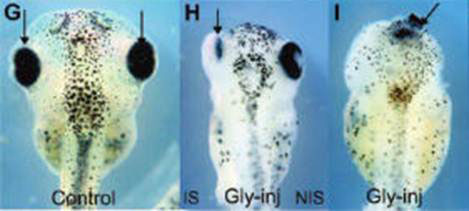
Figure 2 Effect of glyphosate injection; left to right: control embryo not injected with glyphosate; embryo injected in one cells only; and embryo injected in both cells. Note the reduction of the eye, adapted from [18]
Findings in mammals are consistent with those in amphibians. According to the World Health Organisation (WHO), the administration of high doses of glyphosate (3 500 mg/kg per day) to pregnant rats resulted in an increased incidence of soft stools, diarrhoea, breathing rattles, red nasal discharge, reduced activity, increased maternal mortality (24% during the treatment period), growth retardation, increased incidence of early resorptions, decrease of total number of implantation and viable foetuses, and increased number of foetuses with reduced ossification of sternebra [21]. Rats orally treated with sub-lethal doses of Roundup® also showed dose-dependent reductions in craniofacial ossification (bone development), caudal vertebrae loss, and increased mortality [22], consistent with amphibian data and RA signalling defects. Prepubescent exposure led to disruption in the onset of puberty in a dose-dependent manner, reduced testosterone production, and abnormal testicular morphology [23]. Reproductive effects were transgenerational, with male offspring of exposed pregnant rats suffering from abnormal sexual behaviour, increased sperm count, early puberty as well as endocrine disruption (see below) [24].
In a feeding trial, senior scientist of the Russian Academy of Sciences Irina Ermakova found that female rats fed rat chow plus Roundup Ready soybean gave birth to an excess of stunted pups: 55.6 % compared with 6.8% in litters from control rats fed rat chow only and 9.1 % of litters from control rats fed rat chow supplemented with non-GM soybean. The stunted rats were dead by three weeks, but the surviving rats in the exposed litters were sterile [25, 26] GM Soya Fed Rats: Stunted, Dead, or Sterile (SiS 33). The experiment was repeated with very similar results. Unfortunately, Irmakova did not succeed in her attempt to get the Roundup Ready soybean analysed for herbicide and herbicide residues, so the effects could be due to a mixture of the GM soya and herbicide/herbicide residues. The second experiment included a group of females fed rat chow plus GM soya protein did not do as badly as those exposed to GM soybean; the mortality rate of pups at three weeks was 15.1 % compared with 8.1 % for controls fed rat chow only, 10 % for controls fed rat chow plus non-GM soybean, and 51.6 % for litters of females fed rat chow plus Roundup Ready soybean. This suggests that extra deaths and stunting were due to the GM soybean; as consistent with the new findings by Séralini and colleagues [1].
Irmakova too, was fiercely attacked, and attempts to discredit her continued for years afterwards, orchestrated by the journal Nature Biotechnology (see [27] Science and Scientist Abused, SiS 36).
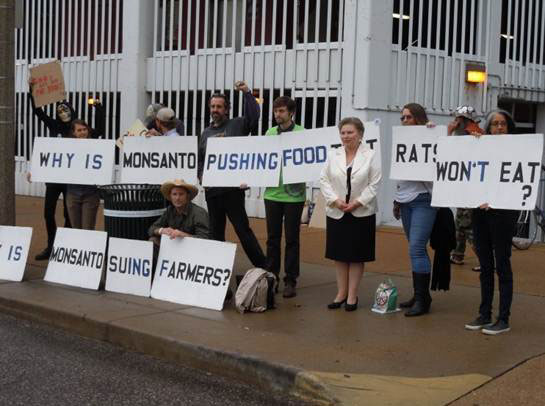
Dr Irina Ermakov with the Occupy Monsanto demonstration 17 September 2012
Cell culture models offer insight into a possible mechanism of glyphosate reproductive toxicity. Death of testicular cells [28, 29] (see [30] Glyphosate Kills Rat Testes Cells, SiS 54) as well as embryonic, placental and umbilical cells occurs at levels 10 times below agricultural dilutions and is exacerbated by the presence of POEA in commercial formulations. Endocrine disruption was also noted at lower concentrations (see below).
Clinical and epidemiological data gathered by The Network Of Physicians Of Drop-Sprayed Towns in Argentina show a 2- and 3-fold increase in congenital and musculoskeletal defects respectively between 1971 and 2003, while another doctor noted an increase in birth defects of around 50 % among his patients. Argentina dedicates vast areas of land to RR soybean production, and as a result, an estimated 12 million people in rural/semi-urban areas are exposed to glyphosate. Increases in miscarriages, difficulty in conceiving as well as spontaneous abortions were documented. Many other illnesses were also suspected to have arisen as a result of pesticide spraying (see [31] Pesticide Illnesses and GM Soybeans. Ban on Aerial Spraying Demanded in Argentina, SiS 53). The local physicians confirmed that Carrasco’s laboratory results on amphibians (see earlier) were consistent with the illnesses of their patients.
4.2 Endocrine disruption
The endocrine system consists of various glands that release hormones into the bloodstream, acting as chemical messengers affecting many functions includingmetabolism, growth and development,tissuefunction, behaviour andmood. Disruption of the endocrine system does not commonly result in cell death, or acute toxicity. Instead, endocrine disruption can have serious health effects through interference in cell signalling and physiology, resulting in a range of developmental impacts including sexual and other cell differentiation, bone metabolism, liver metabolism, reproduction, pregnancy, behaviour, and hormone-dependent diseases such as breast or prostate cancer. Endocrine disruption may well underlie many of the reproductive, teratogenic, and carcinogenic effects of glyphosate.
The synthesis of sex hormones is disrupted by glyphosate and Roundup® in both males and females. Mouse and rat testicular Leydig cells (testosterone producing cells) have reduced testosterone levels as well as increased levels of aromatase, an enzyme complex that converts testosterone into oestrogen [28, 29]. Human placental cells, on the other hand, showed decreased aromatase expression [32]. All these imbalances were observed with concentrations well below agricultural dilutions, and effects were more pronounced with commercial formulations containing adjuvants.
Abnormal expression of testosterone and/or oestrogen receptors as well as oestrogen regulated genes has been documented in human liver cells exposed to both glyphosate alone or four commercial formulations, and breast cancer cells exposed to glyphosate [33, 34].
Other hormones were shown to be dysregulated in the presence of glyphosate, including increased expression and serum concentration of leutinising hormone and increased expression of follicle-stimulating hormone. These are both gonadotropin hormones secreted by the pituitary glands that regulate growth, sexual development and reproduction [24].
Rats exposed to Roundup and/or Roundup-tolerant maize over two years exhibited a range of endocrine disruption effects that, typically, differ between the sexes [1]. Thus mammary tumours were rife in exposed females while liver pathologies predominated in exposed males. Similarly, pathology of the pituitary was more significantly increased in exposed females; and big kidney and skin tumours were confined to males.
4.3 Carcinogenicity
Epidemiological studies found that glyphosate exposure increased risk of developing non-Hodgkin’s lymphoma, a blood cancer of the lymphocytes [35, 36], with one study showing a dose-dependent correlation with exposure to commercial formulations [37]. A rise in plasma cell proliferation associated with multiple myeloma was documented in exposed agricultural workers [38]. The Network of Physicians of Aerial Sprayed Towns in Argentina has implicated glyphosate (see Figure 3), along with other pesticides, in the startling increase in both childhood and adult cancers in pesticide-treated regions, particularly in the vicinity of GM soybean plantations [31]. Increased incidence of interstitial testicular cell tumour at low doses of 32 mg/kg was documented in a two- year rat feeding study [22]. Mouse experiments also showed that glyphosate promotes skin cancer, although not sufficient to initiate tumours by itself [39]. These findings make the latest results from Séralini’s team [1] all the more significant, as the mammary cancers in herbicide-exposed females and kidney and skin cancers in males are further corroboration of glyphosate’s carcinogenic potential suggested by the earlier findings.
Further epidemiological and clinical studies are urgently needed to assess glyphosate’s carcinogenic activity considering the growing evidence of its genotoxic properties.
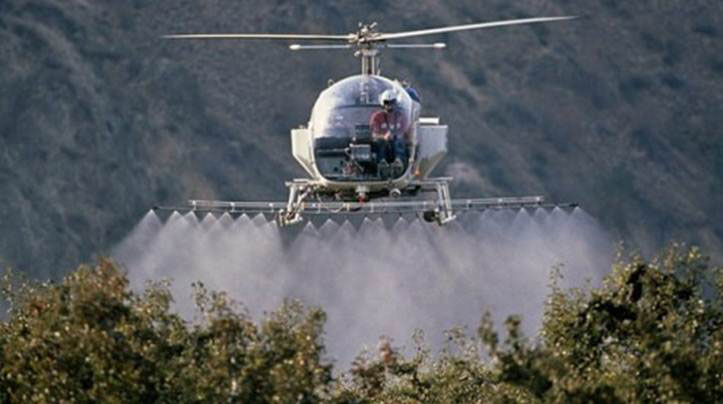
Figure 3 Aerial spraying of herbicides, Eugene Daily News
4.4 Genotoxicity
Genotoxicity refers to damage of DNA. DNA damage can result in mutations that lead to adverse health effects including cancer, reproductive problems, and developmental defects. Evidence of genotoxicity not only relates to glyphosate, but also to its principle metabolite 2-amino-3-(5-methyl-3-oxo-1,2- oxazol-4-yl)propanoic acid (AMPA). Epidemiological data gathered in both Argentina [22] (exposure to glyphosate among other pesticides) and Ecuador [40] (exposure only to glyphosate) showed DNA damage in blood samples taken from exposed people.
Unpublished industry studies from the 1980s showed that Roundup® causes chromosomal aberrations and gene mutations in mouse lymphoid cells [5]. Increased frequency of DNA adducts (covalently bound chemicals on DNA) in the presence of glyphosate has been documented in the liver and kidney of mice in a dose-dependent manner [41]. This was consistent with the research team’s previous study showing increased frequency of DNA adducts in Italian floriculturist workers exposed to pesticides [42]. Chromosomal and DNA damage was noted in bone marrow, liver, and kidney of mice acutely exposed to sub-lethal doses of Roundup®. Significant effects with glyphosate alone were also observed in the kidney and bone marrow [43]. Human epithelial cells derived from the buccal cavity suffer DNA damage at levels well below agricultural dilutions (20 mg/L)[44], these are the cells likely to be affected by exposure through inhalation (see [45] Glyphosate Toxic to Mouth Cells & Damages DNA, Roundup Much Worse, SiS 54).
Among non-mammals, glyphosate caused cell division dysfunction and alterations in cell cycle checkpoints in sea urchins by disrupting the DNA damage repair machinery [46, 47]. The failure of cell cycle checkpoints can lead to genomic instability and cancer in humans. Glyphosate is also genotoxic in goldfish, European eels, and Nile tilapia [48- 50]. Moreover, fruit flies showed increased susceptibility to gender-linked lethal recessive mutations as a result of exposure to glyphosate [51].
Not much is known regarding glyphosate’s main breakdown product AMPA; one study suggested it has acute genotoxic effects [52] and should be investigated further.
4.5 Neurotoxicity
Emerging evidence suggests that glyphosate is neurotoxic, including two published cases of Parkinsonism in humans. A 54 year old man in Brazil was diagnosed with Parkinsonism following accidental spraying; he developed skin lesions six hours after being exposed to spraying, and a month later he developed Parkinson’s disease symptoms [53]. The other case involved a woman in Serbia who ingested 500 millilitres of glyphosate solution and developed Parkinsonism along with lesions of the brain’s white matter and pons (part of brain stem), and altered mental status. The woman suffered additional non-neurological symptoms (see acute toxicity section) and eventually died [54]. Consistently, increased oxidative stress, mitochondrial dysfunction and loss of cell death markers were found in the substantia nigra, the brain region most affected in Parkinson’s disease, of rats exposed chronically to glyphosate at sub-lethal levels [55, 56]. Oxidative stress represents an imbalance between the production of reactive oxygen species (ROS), also known as free radicals, and the body’s ability to detoxify these reactive intermediates or repair the damage caused by them. ROS are a natural by-product of oxygen metabolism such as mitochondrial respiration, and have important roles in signalling and metabolism. Excess amounts however, can have damaging effects on many components of the cell including lipids in cellular membranes, DNA and proteins. Excess ROS has been implicated in the aetiology of a wide array of diseases including Alzheimer’s disease, Parkinson’s disease (PD), atherosclerosis, heart failure, myocardial infarction and cancer (see [57] Cancer a Redox Disease, SiS 54). Activation of the tightly regulated apoptotic and autophagic cell death pathways is also implicated in neurodegenerative diseases and has been observed in rat neuronal cell lines exposed to glyphosate in a dose-dependent manner [58].
Other mechanisms of neurotoxicity include the inhibition of acetylcholine esterase (AChE), an enzyme that metabolises the excitatory neurotransmitter acetylcholine. AChE inhibitors such as organophosphate pesticides are potent nerve agents. Symptoms of AChE inhibition include miosis (closing of the eyes), sweating, lacrimation, gastrointestinal symptoms, respiratory difficulties, dyspnea, bradycardia, cyanosis, vomiting, diarrhoea, personality changes, aggressive events, psychotic episodes, disturbances and deficits in memory and attention, as well as coma and death. Further, increased risk of neurodevelopmental, cognitive and behavioural problems such as Attention-Deficit Hyperactive disorder (ADHD), deficits in short-term memory, mental and emotional problems have been associated with exposure to glyphosate-based herbicides in children and the newborn [59]. Although glyphosate is an organophosphate, it is not an organophosphate ester but a phosphanoglycine, and therefore not been assumed to inhibit AChE. New studies suggest otherwise. Catfish and another fish species, C. decemmaculatus, showed AChE inhibition at environmentally relevant concentrations of Roundup® and glyphosate respectively [60, 61]. Furthermore, these effects were seen following acute exposure of up to 96 hours. A tentative association between glyphosate and ADHD in children has been made in an epidemiological study [62].
Further studies need to be done by independent scientists as original neurotoxicology data presented by Monsanto was ruled invalid by the EPA [63].
4.6 Internal organ toxicity
As in the brain (see above), increases in reactive oxygen species (ROS) have been found in the liver, kidney and plasma of rats exposed to acute doses of glyphosate. Concomitant decreases in enzymes that act as powerful antioxidants such as superoxide dismutase occur in the liver (see [64] The Case for A GM-Free Sustainable World, I-SIS publication). Liver cells exposed to four glyphosate formulations at low concentrations showed decreases in oestrogen and testosterone receptor levels, DNA damage and decreases in aromatase enzyme activity (see [65] Ban Glyphosate Herbicides Now, SiS 43). Other studies suggest mitochondrial damage to rat and carp liver cells in vitro and in vivo respectively at sub-lethal concentrations [66, 67].
A meta-analysis of 19 feeding studies originally conducted by Monsanto, but later re-analysed by a group of French scientists led by Séralini, found kidney pathology in animals fed RR soybean, including significant ionic disturbances resulting from renal leakage (see [68] GM Feed Toxic, Meta-analysis Reveals, SiS 52). This is consistent with previous results from cell cultures treated with glyphosate (see [69]Death by multiple poisoning,glyphosate and Roundup,SiS42), suggesting that glyphosate present in the GM food was responsible. Liver pathology in animals fed RR soybean included the development of irregular hepatocyte nuclei, more nuclear pores, numerous small fibrillar centres, and abundant dense fibrillar components, indicating increased metabolic rates.
4.7 Acute toxicity
Acute toxicity of glyphosate has been classified ‘low’ based on rat studies performed by industry that only showed effects at concentrations of 5 000 mg/kg. However, agricultural workers exposed at much lower concentrations have documented various symptoms, highlighted in Argentina (see [70] Argentina's Roundup Human Tragedy, SiS 48). Acute toxicity of glyphosate through skin contact and inhalation includes skin irritation, skin lesions, eye irritation, allergies, respiratory problems and vomiting. In cases of ingestion, severe systemic toxicity and even death has occurred. Ingestion of small amounts can lead to oral ulceration, oesophageal problems, hypersalivation, nausea, vomiting and diarrhoea. Ingestion of larger amounts (usually >85 ml) causes significant toxicity including renal and hepatic impairment, acid–base disturbance, hypotension and pulmonary oedema, impaired consciousness and seizures, coma, hyperkaliemia, encephalopathy (global brain dysfunction), Parkinsonism, respiratory and renal failure. Suicide attempts have been noted as 10-20 % successful with as little as 100 ml ingested.
Agribusiness claims that glyphosate and glyphosate-tolerant crops will improve crop yields, increase farmers’ profits and benefit the environment by reducing pesticide use. Exactly the opposite is the case. Pesticide use has actually increased in successive surveys [71](see [72] GM Crops Increase Herbicide Use in the United States,SiS45). Not only that, the evidence indicates that glyphosate herbicides and glyphosate-tolerant crops have had wide-ranging detrimental effects, including glyphosate resistant super weeds, virulent plant (and new livestock) pathogens, reduced crop health and yield, harm to off-target species from insects to amphibians and livestock, as well as reduced soil fertility.
5.1 Glyphosate resistant weeds
Critics long predicted the evolution of weeds resistant to glyphosate, consistent with all previous herbicides used in the past; and they are right. This is causing huge agronomic and ecological concern as farmers are forced to abandon whole fields of crops (see [73] GM Crops Facing Meltdown in the USA, SiS 46). So much so that Monsanto has issued a statement saying it is no longer responsible for the rising costs of weeds under the Roundup® warranty. The Weed Society of America has now launched free resistance-management courses for farmers, although the solutions are clearly towing the agribusiness line of dousing crops in additional pesticides, a terribly flawed solution that will only lead to more of the same, or worse – weeds resistant to multiple herbicides. Indeed, some species have already evolved resistance to two 0r even three types of herbicides. In some cases, these “superweeds” are so resilient that the only method of destroying them is to pull them out by hand. Palmer amaranth grows at up to 3 inches a day causing an imaginable headache for farmers (see Figure 4).
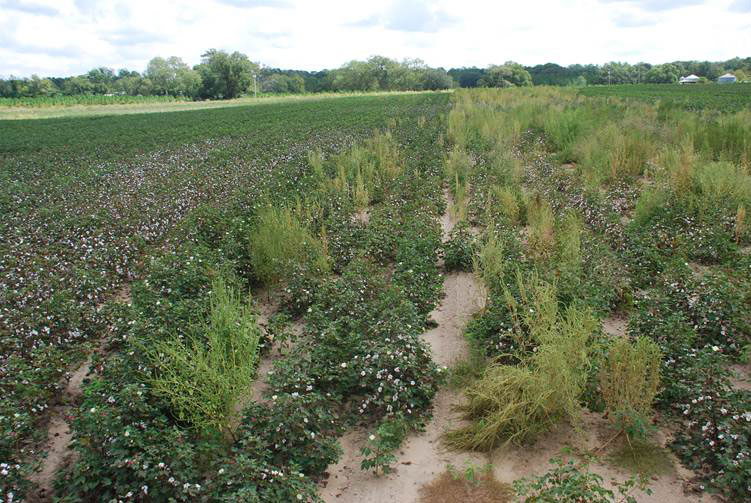
Figure 4 Field infested with Palmer amaranth ‘superweed’, Agweb
First documented in ryegrass in 1996 in Australia, glyphosate-resistance has since been observed in 23 separate species across 16 countries by 2010, covering an estimated 120 million hectares worldwide and continuing to spread [74].
Up until 2003, 5 resistant populations had been documented worldwide. Since 2007, there has been a 5-fold increase in the spread of resistant weeds (See [75] Monsanto Defeated By Roundup Resistant Weeds, SiS 53). So far, resistant species listed by the WeedScience database include: Palmer Amaranth, Common Waterhemp, Common Ragweed, Giant Ragweed, Ripgut Brome, Australian Fingergrass, Hairy Fleabane, Horseweed, Sumatran Fleabane, Sourgrass, Junglerice, Goosegrass, Kochia, Tropical Sprangletop, Italian Ryegrass, Perennial Ryegrass, Rigid Ryegrass, Ragweed Parthenium, Buckhorn Plantain, Annual Bluegrass, Johnsongrass, Gramilla mansa and Liverseedgrass.
Of all the resistant species, Palmer Amaranth and Common waterhemp have received the most attention. Waterhemp produces up to a million seeds per plant, making it difficult to prevent spreading of resistant populations. It also has a long emergence pattern, which means that multiple rounds of herbicide treatments are required. Resistant common waterhemp was first documented in fields in Missouri, US, in 2004 after at least 6 consecutive years of growing soybeans. The suggested mechanism of resistance in this population was the amplification of EPSPS genes in the plant, allowing it to compensate for glyphosate’s inhibition of the enzyme. According to Bill Johnson, an entomologist from Perdue University in Indiana US, waterhemp is a serious threat to soybean farming with the capacity to reduce yields by 30-50 % [76]. Palmer amaranth is estimated to have infested at least a million separate sites in the US alone. It is a particular hardy plant, and is considered one of the most destructive weed species in the south-eastern US. Field experiments have shown its potential to reduce cotton yields by 17-68 %, having important implications for RR cotton farmers [77].
In order to prolong the utility of herbicide-tolerant GM crops, agribusinesses are now developing crops with multiple tolerance traits, or tolerance to old herbicides like 2,4-Dichlorophenoxyacetic acid (2,4-D). Dow Agrosciences are ready to roll out 2,4-D-tolerant corn, soy and cotton even though this year saw the discovery of 2,4-D resistant waterhemp in Nebraska, making it the sixth mechanism-of-action group to which waterhemp has developed resistance [78].
The emergence of resistant weeds explains the increases in pesticide use over the last few years, as farmers apply more and more in an attempt to rid their farms of hardy weeds. As noted by the Network of Argentinian Physicians of Crop Sprayed Towns, repeated glyphosate use on the same plots of land rose from 2 litres per hectare in 1996, to almost 20 litres in 2011 [79], most likely due to the emergence of resistant weeds.
The extent of damage wreaked by glyphosate-resistant weeds has been further exacerbated by the severe US drought of 2012, which dries out weeds and makes them less sensitive to herbicides [80]. Global warming and herbicide resistant weeds may therefore have synergistic effects on crop yield losses, again highlighting the unsustainable approach of intensive chemical agriculture.
5.2 Effects on crop and plant health
Glyphosate use has been associated with the increased incidence and/or severity of many plant diseases and the overall deterioration of plant functions such as water and nutrient uptake [13].
As mentioned above, glyphosate’s mechanism of action is the systemic chelation of metals, including manganese, magnesium, iron, nickel, zinc and calcium, many of which are important micronutrients. They act as co-factors for many plant enzymes including those involved in the plants’ immune system [14]. While non-transgenic varieties are killed by glyphosate, glyphosate-tolerant crops do not die; but their physiology can be compromised. Manganese is a co-factor for 25 known enzymes involved in processes including photosynthesis, chlorophyll synthesis and nitrate assimilation, and enzymes of the shikimate pathway to which EPSPS belongs. The shikimate pathway is responsible for plant responses to stress and the synthesis of defence molecules against pathogens, such as amino acids, lignins, hormones, phytoalexins, flavenoids and phenols. The virulence mechanism of some pathogens, including Gaeumannomyces and Magnaporthe (which lead to ‘take-all’ and root rot respectively) involves the oxidisation of manganese at the site of infection, compromising the plant’s defence against it. Glyphosate-tolerant crops were found to have reduced mineral content, confirming glyphosates’ metal chelating activity [81-84].
Various plant diseases have reached epidemic proportions in the US, now in its fourth year of epidemics of Goss’ wilt and sudden death syndrome and eighteenth year of epidemic of Fusarium fungal colonisation resulting in root rot and Fusarium wilt. Not only does glyphosate affect disease susceptibility, there is also evidence of increased disease severity. Examples include Take All, Corynespora root rot in soybean, Fusarium spp diseases, including those caused by Fusarium species that are ordinarily non-pathogenic. Head-scab caused by Fusarium spp of cereals increases following glyphosate application is now prevalent also in cooler climates when previously it was limited to warmer climates. Nine plant pathogens have been suggested to increase in severity as a result of glyphosate treatment of crops, while some 40 diseases are known to be increased in weed control programmes with glyphosate and the list is growing, affecting a wide range of species: apples, bananas, barley, bean, canola, citrus, cotton, grape, melon, soybean, sugar beet, sugarcane, tomato and wheat [85].
USDA scientist Professor Emeritus Don Huber presented detailed evidence including a photograph (Figure 5) to the UK Parliament that glyphosate-tolerant crops are less healthy and yield less. They have a compromised immune system and require extra water, which are major problems as climate change is likely to increase infectious diseases and exacerbate water scarcity [14].
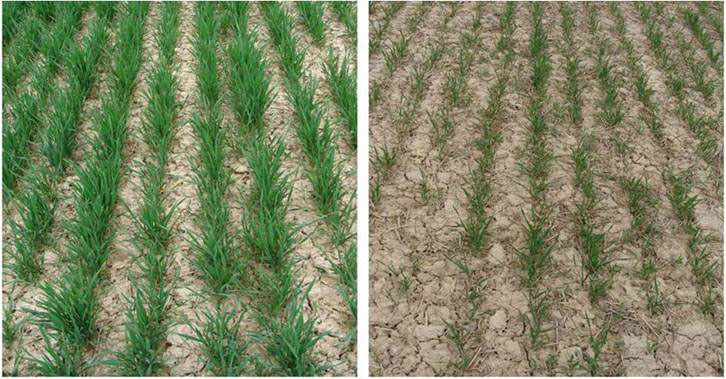
Figure 5 Effects of long-term glyphosate on crop (wheat) health; left not treated with glysphosate, right, treated with glyphosate; adapted from Huber’s presentation [14]
As consistent with previous findings, GM crops are suffering heavy yield losses in drought-stricken US in 2012 [86]. A farmer who has grown both GM and non-GM varieties of corn and soybean side by side reported an average of 100-120 bushels per acre harvested from non-GM corn compared to 8-12 bushels to 30-50 bushels per acre from GM corn.
According to a recent report published by the Union of Concerned Scientists, GM crops have certainly not succeeded in increasing yields [87]; but there is as yet no comprehensive peer-reviewed study on GM crop yields.
As with animal species, endocrine dysfunction has been suggested in plants exposed to glyphosate (see above), potentially affecting health as well as crop yields. Inhibition of auxins involved in plant growth and development, as well as reduced methionine levels have been observed; methionine is a principle substrate for fruit, flower opening and shedding of leaves [88].
Various aquatic species including microalgae, protozoa and crustaceans are susceptible to glyphosate, but more so to the surfactant POEA [89] in Roundup formulations.
5.3 Effects on soil ecology
Soil fertility is fundamental in maintaining plant health and yields. However, along with the rise in industrial agrochemical farming practices, there has been a general increase in the number of plant diseases in the past 15 to 18 years.
Glyphosate has been shown to stimulate the growth of fungi and increase the virulence of soil pathogens such as Xylella fastidiosa which causes citrus variegated chlorosis, while also decreasing the presence of beneficial soil organisms [90] Scientists Reveal Glyphosate Poisons Crops and Soil (SiS47). Four primary soil fungi, Fusarium, Phythium, Rhizoccccctonia, and Phytophthora, have become more active with the use of glyphosate; and concomitantly diseases caused by these fungi have increased, such as head scab in corn, or root rot in soybeans, crown rot in sugar beets. Fusarium head blight, which affects cereal crops, is a disease that produces a mycotoxin that could enter the food chain.
Beneficial micro- and macro-organisms damaged by glyphosate include earthworms, microbes producing indole-acetic acid (a growth-promoting auxin), mycorrhizae associations, phosphorus & zinc uptake, microbes such as Pseudomonads and Bacillus that convert insoluble soil oxides to plant-available forms of manganese and iron, nitrogen-fixing bacteria Bradyrhizobium, Rhizobium, and organisms involved in the biological control of soil-borne diseases that reduce root uptake of nutrients (see [90, 13] (see Figure 6).
In addition to soil microorganisms, Roundup® but not glyphosate alone, kills three beneficial food microrganisms (Geotrichum candidum, Lactococcus lactis subsp. cremoris and Lactobacillus delbrueckii subsp. bulgaricus) widely used as starter cultures in the dairy industry [91]. This may explain the loss of microbiodiversity in raw milk observed in recent years.
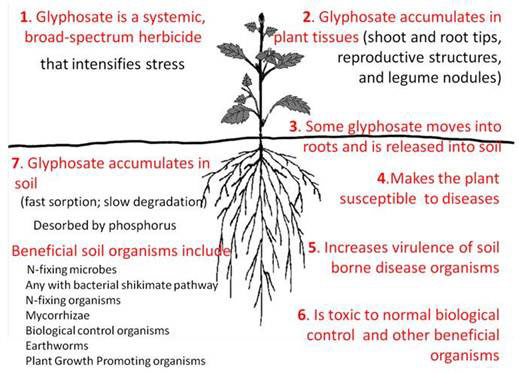
Figure 6 Interactions of glyphosate with plant and soil biology; adapted from Huber’s presentation [14]
It has been assumed that glyphosate is short-lived, degrading in two weeks, and has low accumulation and drift. However, this conventional view may only be applicable, if at all, in certain environments. Studies in northern regions of the globe have demonstrated that glyphosate and its main metabolite AMPA can remain in the soil even years after the last spraying [92]. That means the herbicide and its residues can remain active and accumulate in soils with increasingly devastating effects on soil ecology.
5.4 Effects on ecosystems
Glyphosate use impacts animal biodiversity and health either directly or indirectly through destruction of habitats. It is considered to be particularly toxic to aquatic and amphibian species, due to its high water solubility.
Amphibians are considered the most endangered animal class on Earth. Recent studies have highlighted glyphosate’s toxicity to frog species, with exposure killing 78 % of animals in laboratory conditions (see [93] Roundup Kills Frogs, SiS 26). A 2012 study found enlarged tails in exposed tadpoles, similar to the adaptive changes seen in response to the presence of predators. Tadpoles adapt their body shape to suit environmental conditions, so any changes not suited to the environment could put the animals at a distinct disadvantage [94]. Currently unpublished data from The Department of Herpetology at the Society of Sciences, Aranzad, Spain suggests that glyphosate concentrations below agricultural levels are sufficient to kill 10 species of amphibians in the Basque region of Spain [94]. As mentioned earlier, birth defects in frogs have also been detailed in laboratory conditions [15].
Studies in aquatic microcosms and mesocosms found that Roundup at 8 mg glyphosate/L inhibited the growth of green algae at the expense of toxic bloom-forming cyanobacteria, with potentially drastic impacts on freshwater aquatic ecosystems [96, 97]. It also accelerates the deterioration of water quality, which is already jeopardising global water supply [98] (World Water Supply in Jeopardy, SiS 56).
The indirect effect of habitat destruction is exemplified by the decline of Monarch butterfly numbers (see [99] Glyphosate and Monarch Butterfly Decline, SiS 52) (Figure 7). The larvae of this species feed almost exclusively on milkweed plants, which are being destroyed through glyphosate treatment of GM crops. In the Midwest of the US, there has been a 58 % decline in milkweed plants and a resulting 17-year decline in Monarch butterfly [100]. A decline in their winter migration to Mexico has been observed stretching back 15 years.
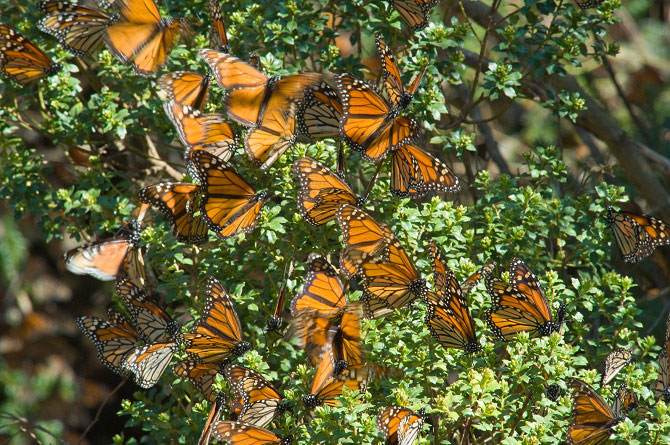
Figure 7 Monarch butterflies, University of Arkansas System
5.5 Diseases of livestock
The rise of certain diseases in livestock populations has been linked to glyphosate ingestion from feeding on RR crops. Huber claims that livestock are suffering a triple whammy of reproductive toxicity caused by endocrine dysfunction (as described above with regards to human health), nutrient deficiency, and a novel unknown pathogenic ‘entity’ found in many reproductive tissues and dead foetuses as well as other body parts [14].
With regards to nutrient deficiency, manganese deficiencies have been associated with various animal diseases and reproductive failures, which are becoming increasingly common in livestock. In Australia, following two seasons of high levels of stillbirths in cattle, it was found that all dead calves were manganese deficient [101]. Moreover, 63 % of newborn with birth defects were also deficient. Manganese is known to be important for mobilising calcium into bones, correlating with abnormal bone formation in these calves.
A Danish farmer recently reversed illnesses in his pigs through reverting back to a non-GM feed. Illnesses included birth defects, reduced live births, diarrhoea, bloating and poor appetite disappeared, resulting in increased profit for his farm (see [102] GM Soy Linked to Illnesses in Farm Pigs, SiS 55).
5.6 Widespread contamination of water supplies
With all the described toxic effects of glyphosate, it becomes imperative to assess the level of contamination of the water supplies, our source of drinking water. Recent research in Catalonia, Spain, revealed widespread contamination of their groundwater [103]. In the US, glyphosate has been detected in rain and air samples [104].
Research recently performed in Germany detected glyphosate in the urine of all tested Berlin city residents, including one person who had been eating organic food for over 10 years [105]. Levels reached 5-20 times the established permitted level in drinking water in the EU. Even those who live away from farming areas are not protected. Glyphosate was previously found in urine samples of farm workers at concentrations shown to have cause endocrine disruption.
Glyphosate toxicity can no longer be ignored. While evidence of its harm to health and the environment grows, Monsanto is proposing to raise permitted residual levels in lentils by 100 fold in the EU [4]. This is clearly unacceptable. Brazil has recently proposed a new bill that will ban many environmental toxins including glyphosate [106]. A global ban or phase-out of glyphosate use is a matter of urgency, and with that, widespread adoption of non-GM sustainable agriculture [107] (Food Futures Now *Organic *Sustainable *Fossil Fuel Free , I-SIS Report).
Article first published 10/10/12
Comments are now closed for this article
There are 22 comments on this article.
teresa dowden Comment left 12th October 2012 17:05:23
I think this is horrible all the harmful chemicals Monsanto has been able to produce and use and the people who are suppose to be protecting us aren't probably bacause of big payoffs. There's needs to be stop to this. But they have already got so much of in the world it's proably too late to do much about it.
peter homfeld Comment left 14th October 2012 05:05:21
No Teresa, it is never too late. All of us have to fight those criminals and murderer for the sake and health of our loves ones, our children, our grandchildren, the next generations and ourselves.
Monsanto is still responsible for millions of death and genocide with their other toxic waste as DDT, Agent Orange and now with this terrible disastrous Roundup all over the world for long time. We are studying now on international actions to sue Monsanto (and other Big Corporations) for the tremendous damage to mankind and for massive payments of damage.
We think also that they must be brought to the ICC for Crimes against Humanity, mass murder and genocide and they and their minions must be hanged for their massive crimes.
In the meantime DON't eat SALMON. Nearly all Salmon is Farmed Salmon. They are chock full with poisons due to the 70% GM (Roundup) Soy/Corn and 30% toxic fishmeal/oil in their feed which will kill you.
Thank you ISIS and Dr Eva Sirinathsinghji and Dr Mae-Wan Ho for your long time scientific research on this subject (which we follow for longer time) giving a solid base for actions as mentioned.
VIcky Comment left 14th October 2012 16:04:06
Coming up as a child my perception of the USA was a country of integrity and who was the authority of enforcing integrity and what was rightful/lawful... a nation who set an example of morality, prosperity, and humanity. A nation who would have declared war on another country for doing something like this. We all have been very misled.
Well they did nothing to help the poor people in Rawanda did they. THe US Gov. was not even concerned about the poor people in New orleans !! What GEORGE CARLIN left us was right on...that "THEY DON"T CARE ABOUT US/ LIFE/ HUMAN EXISTENCE , the eco-system. They all need to be over thrown If this is not stopped my fear is a mass destruction /genecide.
ThANKS for all the extensive research and most informative article.
John Fryer Comment left 31st October 2012 08:08:33
Professor Seralini last month (2012 Sep) proved the harm from MONSANTO Round Up Ready herbicide and also gave the clue to why its full danger has been covered up for so long. (testing the product without added chemicals to increase its absortion into animals and test of such short duration that nothing useful turns up or worse changing the experiemnt - 100 per cent of animals dying on day 8 reported as all animals fit healthy and alive on a 7 day exposure experiment.)
Having helped to get a worldwide ban on DIAZINON in 2000 and looking at other TERATOGENS such as mercury I was horrified to learn that far from four years to history and good bye we now have increasing DIAZINON use and killing and illness on the increase; DIAZINON being a particularly nasty organophosphate (OP).
Alzheimer Disease is one possible illness from OP's and my current risk of getting this is officially now at 25 per cent risk every year. 100 years ago it was a zero risk for my age group.
We are as humans sadly being led like sheeop to slaughter and also not even as courageous as sheep but more like LEMMINGS.
masipag mindanao Comment left 1st November 2012 17:05:16
Let's intensify the campaign for the banning of Roundup Ready Crops.
William & Katrina Dresbach Comment left 1st March 2013 19:07:32
All these chemicals are harmful to everyones health! Let's go back to the old time farming! It worked fo years! No GM Monsanto!!
stephanie seneff Comment left 28th May 2013 21:09:49
Together with Anthony Samsel, I recently published a peer-reviewed article in the Open Access journal, Entropy, on glyphosate. I was astonished at what we were able to find on potential damaging effects of glyphosate exposure to health. I have been studying autism for many years, and have published several papers on it. I had identified two key comorbidities with autism: disrupted gut bacteria and impaired sulfur metabolism, but I was unable to determine what was causing these problems until I started looking at glyphosate. In the paper, we show how glyphosate would produce these comorbidities, as well as many other problems. Furthermore, through inhibition of cytochrome P450 enzymes, it would impair the liver's ability to detoxify other toxicants. I now believe that glyphosate is the most important factor in the current autism epidemic in America and elsewhere. It should be banned from the market!
charlotte bean Comment left 27th July 2013 15:03:54
a D.finlayson MD recently blogged that glyphosate MIMICS non-essential amino-acid, glycine, interfering in lifes replication at its most fundamental level. Can anyone expand on this or cite a reference, cheers C.
Cindy Lindsey Comment left 18th March 2014 06:06:11
I recently had an "Alcat" food/chemical sensitivity test and the results showed I have a "severe" intolerance to glyphosate. My doctor said out of all the Alcat tests his patients had done, mine was the only one he has seen that said "severe" intolerance. This is all new information to me and I'm stunned and angry. Of course I know I need to watch where my food comes from, but should I go see a neurologist now? What if I have the beginnings of Parkinsons, or...any of a number of other diseases that glyphosate can cause?? I have no idea what to do next. The "doctor" who sent me for the test is a chiropractor/nutritionist, not an MD or a neurologist.
Maewan Ho Comment left 18th March 2014 06:06:18
Hi Cindy Lindsey,
You must seek out non-GMO and preferably organic food in order to avoid glyphosate for a start. Ban GMOs from your diet, and campaign for banning glyphosate herbicides.
Tiffany Pettit Comment left 12th April 2014 16:04:21
I just finished reading this and I have to admit, I'm almost in tears. This is going to be a long post. Sorry in advance. (I'm not really sorry though.)
A "short" background:
I'm 24 years old, a new gardener (I've been gardening for just over a year) who's extremely interested in organic gardening and keeping livestock that feeds on organic food, as well as being in a two year community college taking my /first/ biology class /in college/. (The last time I took biology was in ninth grade in 2004.) In my biology class, we're required to write a "research paper" on a topic of our choice. I'm choosing to write mine on GMOs. Honestly, I'm still new to the whole process of researching GMOs, but I've been wanting to do this research anyway. Might as well knock out two birds with one stone, right? Thus, I started my research and stumbled upon this article through Pintrest post from Organic Consumers Association (I follow all of their boards on Pintrest.) The pin was from their board "Millions Against Monsanto" and the picture that advertises the pin is what caught my eye: "Breaking News: Monsato's Roundup Found in Mother's Milk." At the bottom of the picture followed the words "Study suggests world's most widely used toxin accumulates in human tissue." I had to click on in. It started talking about this toxin called glyphosate. I had no idea what it was. I read it, a little horrified,opened a few links from the article on my phone and left them up to read later. This was page was one of the links that I opened, but didn't think about it again until my last biology class, this past Thursday, April 10, 2014.(Stick with me, a little bit more background to come.)
We had just finished learning about Mendel's famous pea experiments and before that we learned about photosynthesis, mitosis, and meiosis, of course and at the end of class our professor reminded us to work on our research papers. I got started reading on the books I had checked out from our school library. I grabbed the smallest book out of the four that I checked out and continued to read where I had previously left off. I was only about five pages into the book. The book is "Genetically Modified Crops" by Nigel G. Halford (from Imperial College Press) and as I continued reading I realized that this book was for the promotion of GMOs. "Alright," I thought. "I have to know why some scientist are for the promotion of GMOs' side too."
I continued reading and boom! A familiar word popped up: Glyphosate. I immediately remembered that I had this article open to read later on my phone, but I continued to read about the multiple ways they splice DNA to create GM plants and the the benefits of GMOs and the use of ghyphosate and how it is safe for use as a pesticide. "Okay. I've heard the "pro" side of the argument to use GMOs and glyphosate, but now I really want to read that article I have open on my phone," I thought to myself.
I went to the tab on my phone and proceeded to read this article. I became more and more horrified as I read and teared up before I even finished reading. I remember hearing about the monarch butterflies starting to disappear when I was younger. I remember hearing about new casts reporting on the increase of a younger on set of puberty. I remember hearing about the increase of breast cancer, Parkinson's, and Alzheimer. I remembered all of those things and more as I continued to read this article.
I'm in disbelief about how this article only has /ten/ comments on it. Ten! More people need to see and learn about these studies and believe me. I'm going to inform people about it whenever I can. I'm going to post this article on my tumblrs, my twitters, my facebook pages, and my wordpress site. More people need to see this. It makes me so angry that we can talk about celebrities and the gossip surrounding them, but we can't talk about how glyphosate is slowly (quickly) killing the world around us. It's utterly frustrating that I know so many of my loved ones are being infected with this stuff and don't even know it. I'm glad, at least, that I've convinced my parents to switch to more organic foods when they shop. It makes me feel safer.
Also, I would like to share my future dream with whoever happens to read this comment, because maybe it'll give hope to whoever sees this that someone who is on the younger side (24 years old) that wants to promote the use of organics and shun the use of GMOs.
My dream is this:
I want to open an organic herbal tea cafe that can gather fresh herbs, fruits and vegetables straight from the garden out back. I also plan on having organic, free range chickens for their eggs and dwarf Nigerian goats for their milk to have organic goat milk and cheese. I want to be able to provide these organic products to customers that want these too. On top of all this, I want to provide a beautiful garden that my customers can spend their time in the beauty of an organic garden and farm. Also, I almost forgot to mention I want this garden to promote /native/ wildlife plants to create a home for pollinators like bees, hummingbirds, butterflies, ladybugs, even spiders, and many other helpful insects.
It's a huge dream, I know. Trust me, I know, but my heart is set on it. Maybe my plan is rough around the edges and is going to cost a lot, but thing is, in my opinion, it's going to be worth it even if I only receive a few customers. I know I'll at least have 10 patrons: my biology professor, my boyfriend, my parents, my four best friends and some of their family. If I can't help a city, or even a neighborhood, I can at least help to keep my friends and family on the healthier side.
I know I rambled on (a lot) in this comment, but I felt it all necessary to say.
Down with glyphosate! Promote organics!
Also, thank you so much for compiling this article, please continue putting out information like this. I look forward to reading more on this site.
mae-wan ho Comment left 12th April 2014 18:06:43
Thank you Tiffany for your personal account of discovery, and your determination to act on it. But please keep up to date with the herbicide. New evidence has been tumbling out after this review. please log onto www.i-sis.org.uk and find the latest reviews.
maewan
Tiffany Pettit Comment left 15th April 2014 05:05:33
I will definitely do that! Thank you.
Terry Pollock Comment left 12th June 2014 01:01:53
Many thanks for such a comprehensive article on this insidious glyphosate problem. You do masterful work at ISIS and the planet needs you. I'm a nutrition specialist/medical educator for many years now. I'm stymied as to the most effective way to get out the message to consumers; there is a great learning curve here with complicated background that people need to hear. I'm also a Stephanie Seneff fan (commenter here) but she has not heard from me yet. AND I didn't know that glyphosate reaction is measured on an ALCAT test here in the US?? Anyway, thank you so much for your in-depth information and your integrative mind, Mae-Wan Ho and your colleagues. I am enthralled by your efforts. Terry Pollock, MS
Mae-Wan Ho Comment left 12th June 2014 01:01:55
Terry Pollack and others, please see the more up-to-date version of this article in Ban GMOs Now, which is now free for download via thesparc.net
Also, even that is not up to date because more evidence has been tumbling out regarding kidney disease, cancer and male sterility, all reviewed within the past months, please go to isis homepage and scroll down recent postings.
Plus, we shall be doing an update on Ban GMOs Now, which again shall be available free of charge, within about a month's time.
Please forward all our papers to your regulators and political representative. keep alert, we can win this one!
RG Comment left 19th December 2014 21:09:10
More than 90% of our grains and cereals including rice (UK and abroad) are subject to a pre-harvest spraying of roundup herbicide - a new but insane practice started in 2003. This has massively increased residue levels to 100 PPM and more, of this noxious substance in our bread and cereal. Research has clearly shown that roundup/glyphosate is responsible for cancers, endocrine disruption and cardiac arrythmia. The american government which is in the pocket of the makers of glyphosate last year massively increased the permitted residue levels in farm produce anywhere from 2 times to 25 times depending on the food stuff. Now they want to force this noxious waste and their gmo waste on europe by way of TTIP that is, if you are not already eating this garbage and you easily could be. Are you one of the million+ people who in the UK have atrial fibrillation? Bread or cereal is very possibly the cause.
Russell davies Comment left 17th January 2015 19:07:25
Hi from Canada ,we've sure made big mistakes with GMO and have experienced the decline of the bee population. Due to Roundup.
We have recently started a campaign using street signs to educate, with names like GMONO WAY
WE ARE LOOKING FOR SOMEONE TO TAKE UP THE CHALLENGE IN AUSTRALIA. AND NAME A ROAD.
ROOTROUNDUP ROAD .
Any takers ?
Mac Fairrington Comment left 10th July 2015 18:06:31
I live in UK and write on a regular basis to our Local Council Sunderland, which is in North East England. I became interested after a meeting at the House of Commons last Year chaired by the Countess of Mar. Several medical scientist spoke against the use of Glyphosates' in public areas. Professor Malcolm Hooper who is a eminent Professor of Medical Chemistry spoke of its many dangers including Carcinogens believed by The World Health Organisation and International Agency for research on Breast Cancer. It is also believed to cause another 32 diseases.
Our council when asked under the Freedom of Information tried to prevent me getting the actual chemical information and said i may have to pay £450 but when I agreed I was given the information free as I should have. The Chemical is:
Proliance Quattro. The active ingredients are Glyphosate - Diammonium 34% and D-Glucopyranose, Oligomeric, decyl octyl glycosides10 - 20%. D-Glucopyranose, Oligomeric, decyl octyl glycosides10 - 20%
It is sprayed up to four times a year in children's parks around swings and parent seating. There is no warning and sprayed openly. The operators either Contractors or Council workmen do not wear PPE as I believe they will frighten the public, and don't like been questioned. They also spray against private residents property on land which adjoint council land. There is no sign for about four days when it starts to work and turn Yellow. Prior to that your children and pets could have been caught in their own gardens and inhaled the spray unknowingly. According to the UK HSE and RoSPA permission should be acquired before spraying at private property and signage should be shown before spraying. Resident should be able to refuse their property and family from being contaminated. Managers of the council refuse to answer questions and let their teams continue. I hope once it is finally BANNED as it will they will be prosecuted.
Our MP after seeing the letter fromProfessor Malcolm Hooper wrote stating " Upon reading Professor Hooper's reply, I don't think it unreasonable that spraying of this herbicide - particularly in children's play areas - could cease until safety concerns about this product has been allayed and as you suggest there is still the option of responsible mechanical strimming in these areas in the meantime."
Sunderland council response was "we shall continue to undertake weed treatment as we currently are"
It takes some brave managers who ignore Medical Chemistry professors and MPs and Proof that is being released putting the general public in danger.
vanessa Comment left 11th March 2016 20:08:51
Hello
I would like to start an awareness campaign in my area and am wondering if you have any posters which I can put up around my and neighbouring shires, also flyers would be good I could put these into letterboxes. I do not have any money for this and am hoping you or somebody you may know of can send me several thousand of these posters and flyers which I will then distribute and paste up.
Something has to be done about the miss information that the companies have been doing to brainwashed people, about this dangerous chemical in our environment.
It is used in schools all the time and I am going to pressure the education dept on these facts and findings from other countries and the UN so they will stop using it.
I come from Western Australia,
Thanks so much for your time and look forward to a prompt reply.
Vanessa White
kendenup WA
michael v patti Comment left 22nd September 2016 23:11:45
THE MOST DISCONCERTING FACT IS THAT THE INFORMATION ABOUT ROUNDUP AND GLYPHOSATE, AND SUBSEQUENT DESTRUCTION AND INTERFERENCE OF THE SHIKIMATE PATHWAY, HAS BEEN AVAILABLE FOR SOME TIME NOW. THIS CANNOT BE ANYTHING LESS THAN A CONSPIRACY OF GREAT PROPORTION ON MANY LEVELS OF INDUSTRY AND GOVERNMENT OVERSEERS, WHICH HAS PROMPTED ME TO EXPLORE AND PURSUE LEGAL ACTION.
michael patti Comment left 22nd September 2016 23:11:55
In lieu of the information available about Roundup, and the ill-effects glyphosate has on EPSPS, cytochrome p450, shikimate pathway, etc., the numerous physical problems associated with the chemicalproduct, and last but not least, the emotional and mental disorders that are often not connected, but can easily be a result of cause and effect due to this herbicide, the continued use of this product cannot be construed in any alternative manner except a conspiracy via Monsanto and the F.D.A. and others. I am currently delineating materials and information for a lawsuit against Monsanto and the U.S. F.D.A.
W E Keys Comment left 22nd September 2016 23:11:06
3 of my Dogs died of cancer and I think all Glyphosates weed killers should be banned.
Please do not let me lose my last Dog because in Kent they spray Children's play area's, paths and hedge rows.
Stop this poison getting to our Children Please
and our pets in fact all human species